Conference Speaker Coach
Develop your idea, strengthen a submission, or improve an outline, slides, or rehearsal. Get specific feedback on clarity, credibility, audience connection, and delivery.
All Things AI · Speaker resources
From your first proposal to the moment you take the stage.
A good talk gives people something useful to understand and a reason to do something with it. These guides help you choose the idea, explain the evidence, design the slides, and connect with the people in the room.
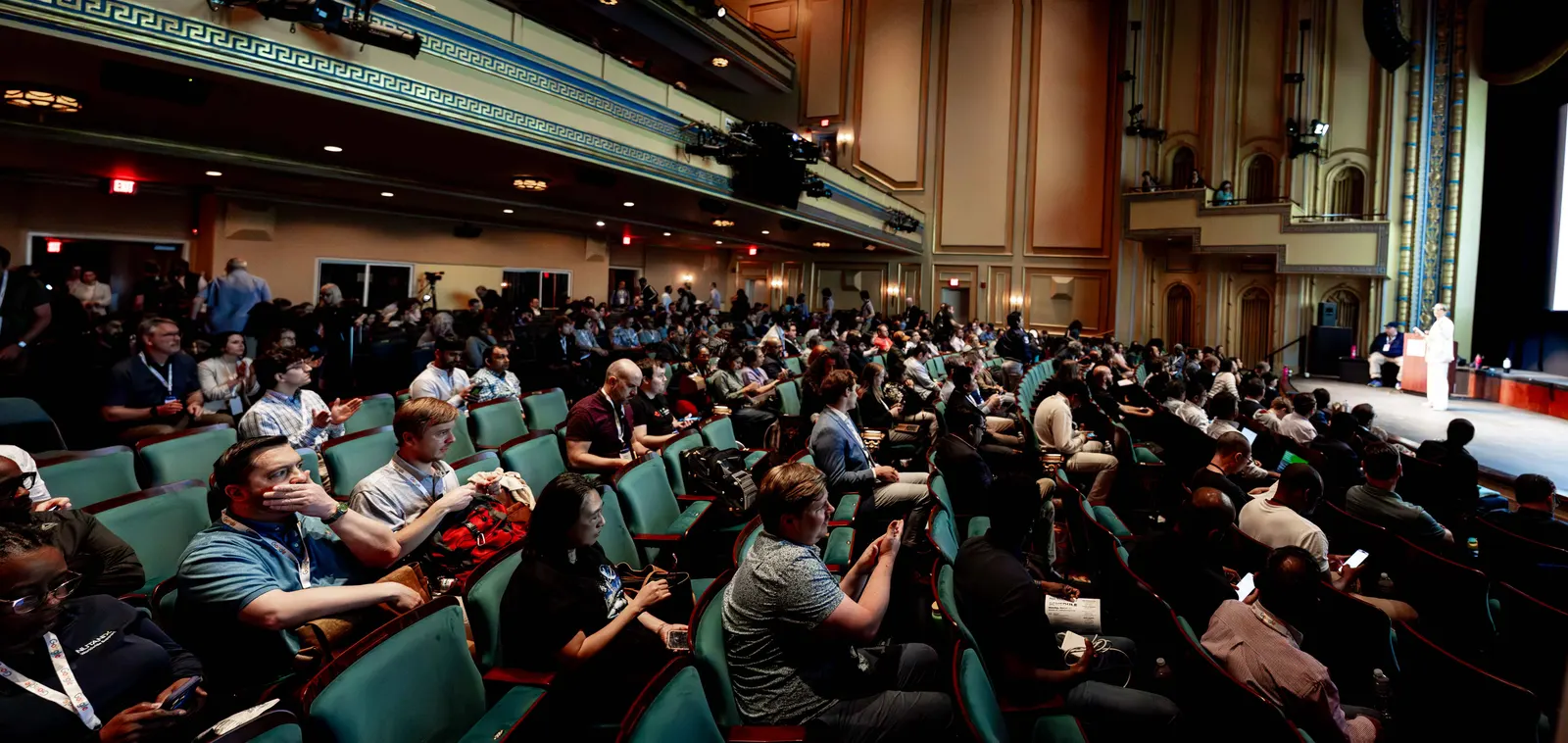
Begin with the preparation guide, then shape the talk itself. Use the slide guides when you have an argument to show. If you are still applying, start with the submission FAQ.
A coach for your own material
Bring what you have. These AI coaches help you see what is working, what could be stronger, and what to try next. Keep your voice. Find the format that serves your audience.
Develop your idea, strengthen a submission, or improve an outline, slides, or rehearsal. Get specific feedback on clarity, credibility, audience connection, and delivery.
Make your expertise useful to the room. Improve the story, product explanation, evidence, or demo, and give people a reason to continue the conversation.
Download the coaching instructions and add them to a conversation with your AI assistant, along with your draft or the part you want help with. Ask it to follow the instructions. For an app that supports installable skills, use the skill ZIP instead.
Try asking: “Use this coach to critique my material. Help me educate, inspire, and connect with this audience. Explain the most useful improvements and offer examples in my voice. Ask me about anything important that is missing.”
Make a useful promise to the people you want to reach.
Speaker resources · 6 min read
A strong conference speaker submission explains what you know, why the audience should care, and what they will learn. Make the topic specific, support it with relevant experience, show your personality, and include a useful speaking sample when accepted. Give reviewers a clear title, focused abstract, and achievable audience takeaways.
Speaker resources · 9 min read
A great conference presentation educates and inspires. Start with a problem the audience cares about, teach a clear idea, support claims with evidence, and help people apply what they learn. Use your personality, examples, and a meaningful next step to leave attendees both able and eager to act.
Five minutes, a keynote, or a sponsored session: shape the talk for the moment.
Speaker resources · 8 min read
A great Ignition Talk uses five minutes to share one idea, deliver one useful win, and make it real with one example. Show your personality, educate and entertain, support your claims, and finish with a spark: a next step or a vision of the AI future people can help create.
Speaker resources · 6 min read
A strong keynote gives a broad audience a clear idea, a reason it matters, and a possibility they can act on. Build a coherent story, support important claims, make slides easy to follow, and rehearse for the time and room. Close with a next step people can picture themselves taking.
Sponsor resources · 8 min read
A strong sponsored AI talk helps the audience solve a real problem, understand a useful possibility, and decide what to explore next. Teach the idea, demonstrate one complete task, explain the evidence and limits, and offer a relevant next step. Let attendees experience your expertise through the value of the session.
Decide what belongs on screen and make it readable.
Speaker resources · 6 min read
Readable conference slides use strong contrast, large type, clear visual hierarchy, and relevant evidence. A soft light background with dark text is a useful starting point. Check the venue’s screen and lighting, simplify screenshots and charts, describe important visuals aloud, and share accessible materials.
Speaker resources · 5 min read
Use one main message per slide and only the text, visual evidence, and context needed to explain it. There is no universal word count or slide-per-minute rule. Split competing ideas, preserve important labels and citations, put supporting detail in accessible notes, and use rehearsal to set the pace.
Rehearse the explanation, check the room, and plan for the unexpected.
Speaker resources · 6 min read
Prepare your first conference talk by confirming the brief, choosing one useful outcome, building a clear explanation, and rehearsing aloud with a timer and a listener. Check the room and equipment, plan for questions and technical failures, and make your takeaways easy to find afterward.
From the All Things AI archives
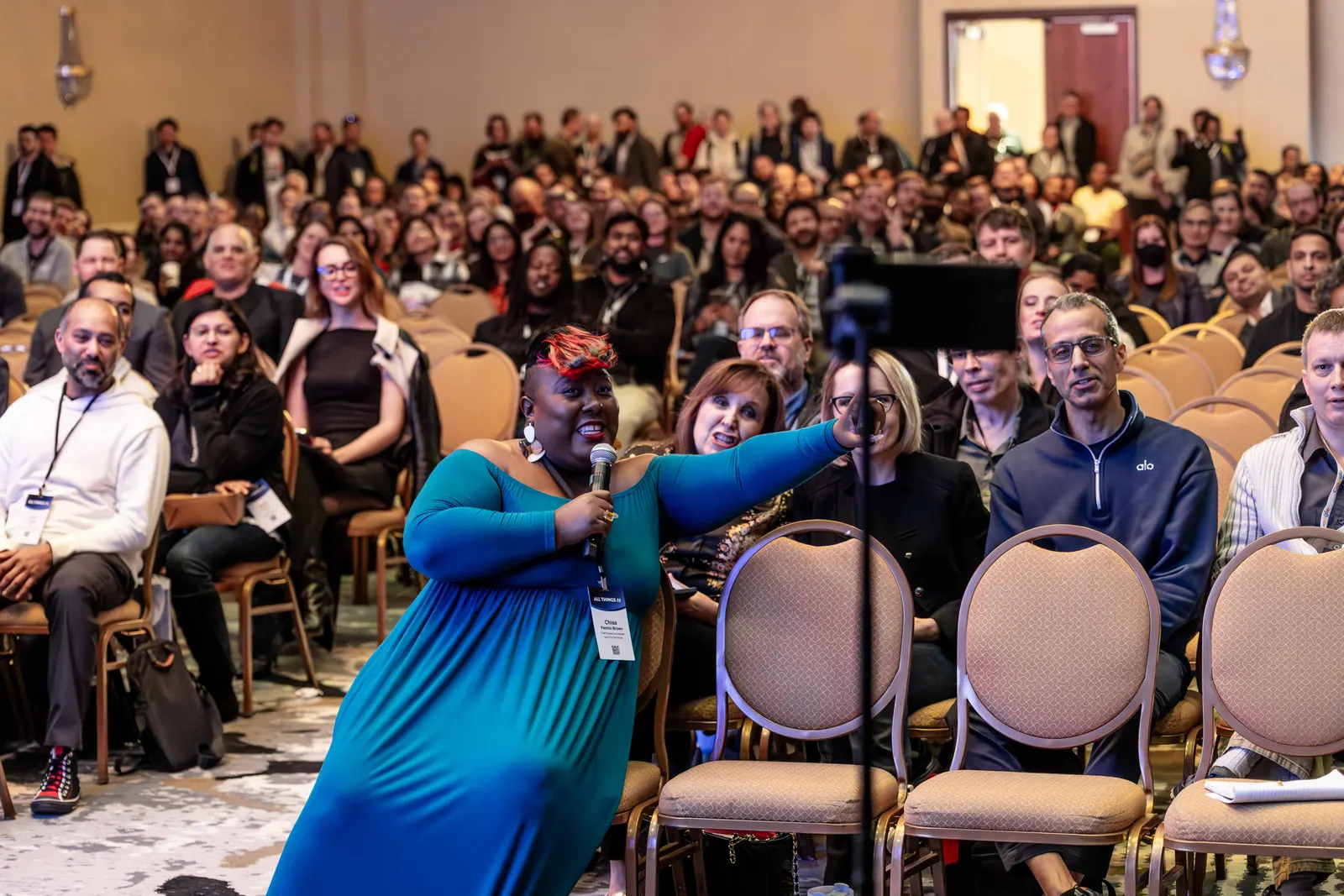
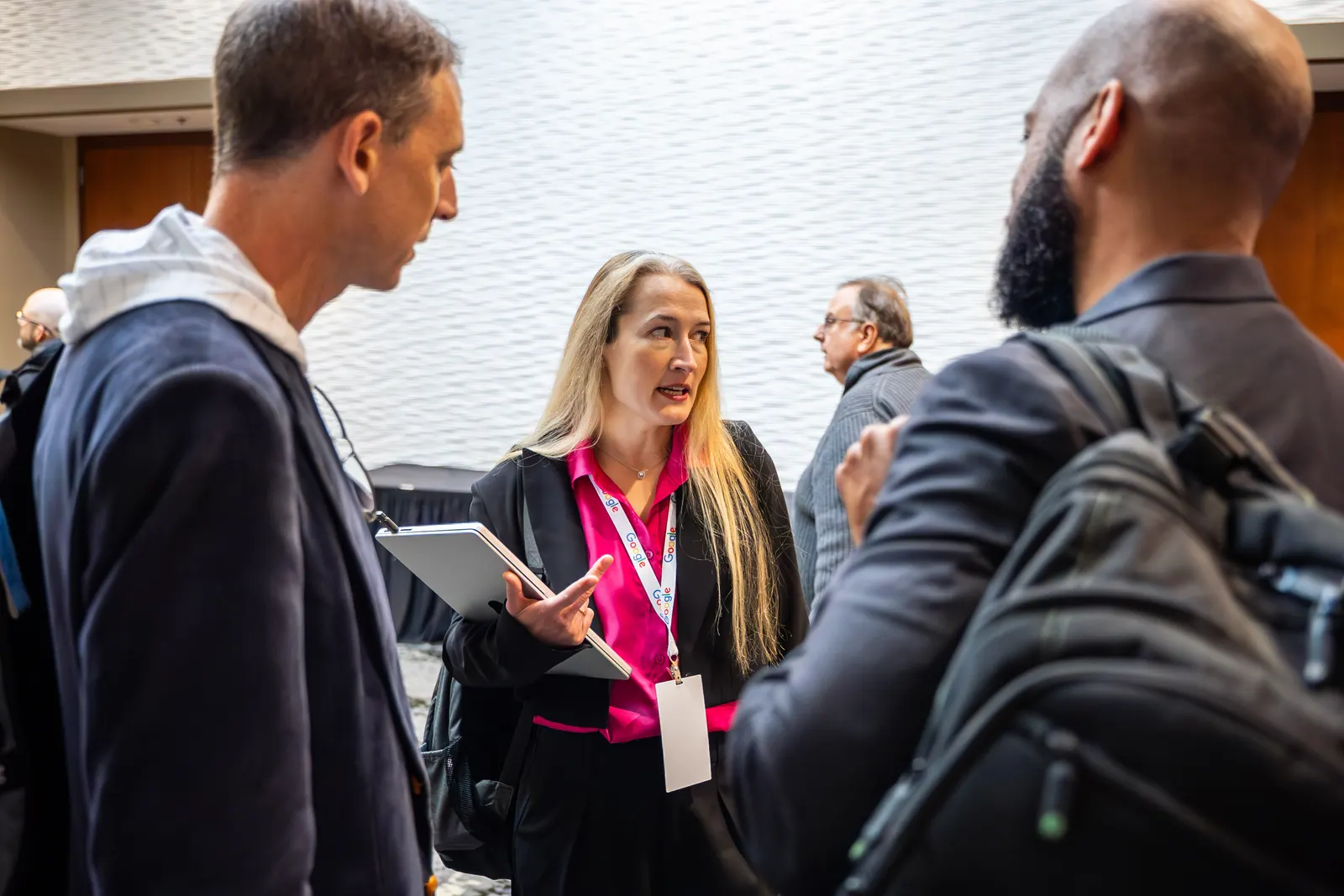
These are the people behind the preparation: curious listeners, useful questions, and conversations that continue after the session.